Types of Magnesium-Which is Best for You?
Types of Magnesium: Which Is Best for You?
Did you know that at least half of American adults are suffering from magnesium deficiency? This can be attributed more to the magnesium-deficient diet that we take as well as our soil not being magnesium-rich.
You may ask, why is magnesium so important in our bodies? Well, the fact is that magnesium is involved in over 300 metabolic reactions in our bodies, including production of energy, regulation of blood pressure, transmission of nerve signals, and much more. This explains why it is an important mineral in the body.
Although magnesium is found in many whole foods, including legumes, nuts, seeds, green leafy vegetables, etc. in most cases, we do not meet our daily requirement, and this is where magnesium supplement comes in.
However, there are many types of magnesium supplements, with each having a different way in which the body absorbs it.
So, which magnesium supplement suits you? What is the best magnesium supplement for you? We take a look at the 5 most common magnesium supplements you can consider

1. Magnesium Citrate
This is one of the most widely available and versatile magnesium supplements. It is widely recommended by health professionals and doctors and is a great option for those who are looking for an affordable option.
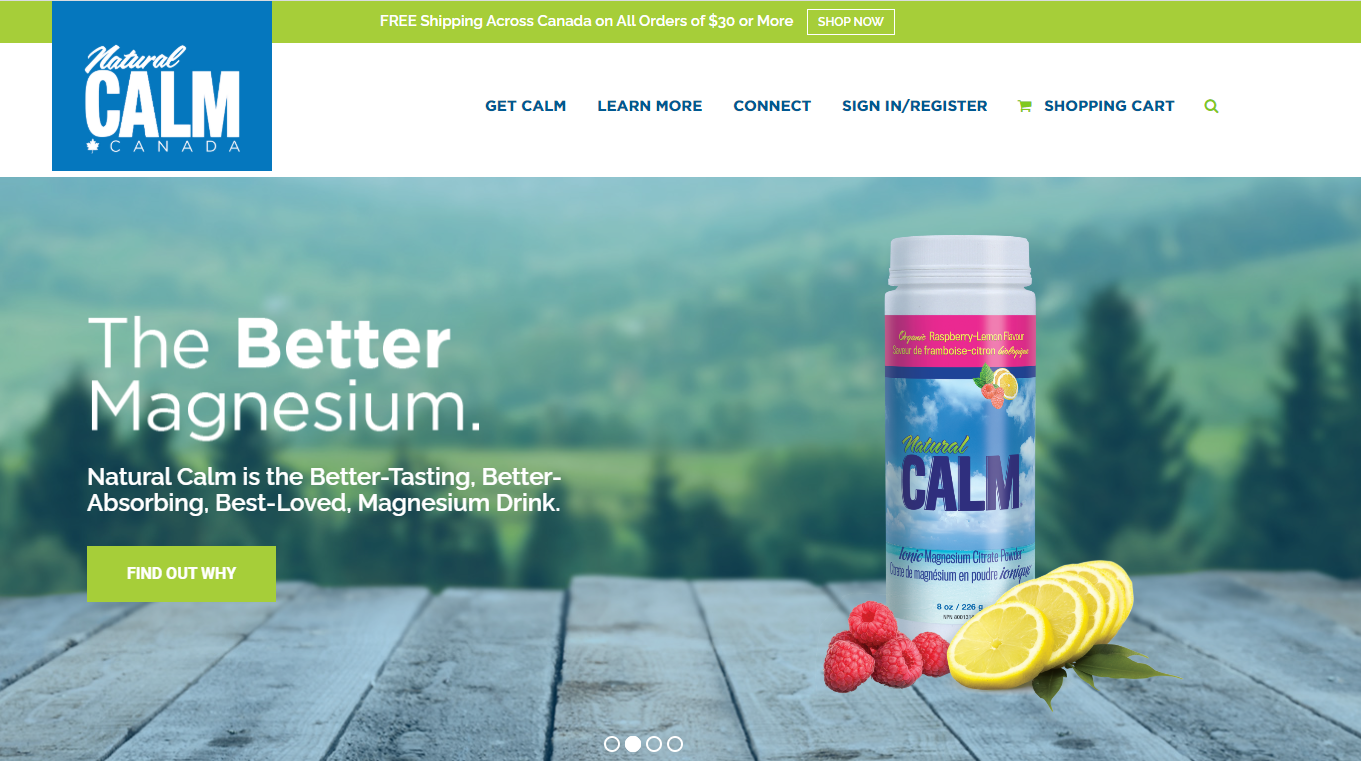
Coming in powdered-form, you can just mix it with your favorite drink. You can easily purchase magnesium citrate powder online.

This supplement is used to raise magnesium levels and occasionally to treat constipation. Since this form of magnesium takes time to pass through the digestive system, your body is more likely to absorb more of it.
People who are sensitive to magnesium oxide should take magnesium citrate supplements. This form of magnesium supplement gives you a good dose of mental relaxation.
2. Magnesium chloride
Often, this type of magnesium supplement is marketed as a dietary supplement to help boost magnesium levels and improve bone health. In its basic form, this magnesium salt is bound with chlorine, which means that your body will readily absorb it.
It comes in the form of capsules and tablets, although you can also find topical treatments of the supplement in lotion form. This might be a great option for people who struggle to take magnesium orally.
3. Magnesium oxide
This, too, can be used as a supplement, but majorly it is used to treat specific issues. It is found in Milk of Magnesia as an active ingredient.
If your magnesium levels are too low and want to boost them, this form may not be best for you, as only 4% of it is absorbed by the body. However, it can be used to relieve heartburn.
Overall, this supplement costs less than other magnesium supplements and may contain more magnesium than other forms as well to make up for its lower bioavailability.

4. Magnesium lactate
Magnesium lactate is less popular when it comes to over-the-counter supplements. It is majorly used as a food additive to fortify beverages and also regulate acidity in foods.
This form of magnesium is a little friendlier on your digestive system than other types and tend to be easily absorbed. For people who need to take larger doses of magnesium, this is a good option. In most cases, it is important that you seek your doctor's advice before you try this supplement.
5. Magnesium malate
This form of supplement combines magnesium with malic acid, a fruit extract that is sometimes used as a food additive. It is easily absorbed by the body and can stay in the system for an extended period. This means that it can offer plenty of health benefits.
In most cases, this form of magnesium is used to treat muscle cramps and fibromyalgia, as it is known to boost stamina and encourage muscle relaxation.
Other forms of magnesium supplements include;
- Magnesium taurate. This helps to regulate blood sugar levels and also stabilizes blood pressure. It is great for people who are looking for a supplement that will help them manage high blood pressure and blood sugar
- Magnesium L-threonate. This type of magnesium may help improve your brain health. It is easily absorbed
- Magnesium sulfate. This comes in powdered form and is dissolved in bath water to relieve stress and soothe achy muscles
- Magnesium glycinate
- Magnesium orotate
Conclusion
Magnesium is an important mineral as it plays a vital role in different processes in the body. A deficiency of magnesium is often linked to adverse effects, including heart diseases, diabetes, and depression.
As such, if you are not meeting your daily requirement in your diet, you may need to turn to supplements.
Magnesium supplements come in different forms, and it is up to you to determine which one suits your needs. We do hope that the information we have provided here will guide you on the best supplement for you.

Comments
Post a Comment